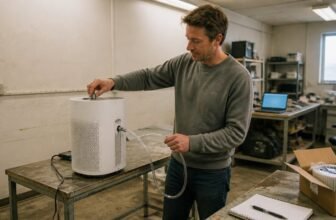
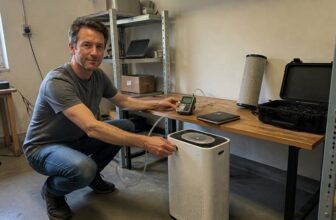
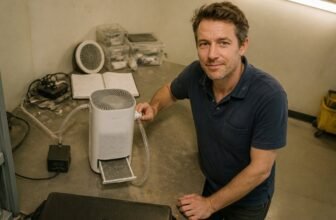
When wildfire smoke fills your home, you need to know whether a hydroxyl generator or an activated carbon scrubber is the right tool for the job.
The answer depends on the specific pollutants present, with the honest choice being activated carbon for most fire restoration scenarios.
Activated carbon physically traps the volatile organic compounds and odors that linger after a fire.
This article explains the speed, safety, and practical sizing of carbon scrubbers for smoke removal.
Choose an air purifier that matches the size of your room and the type of smoke you are dealing with.
Air Purify Highlights
- Activated carbon scrubbing cleans a home roughly 11 times faster than hydroxyl generation does.
- Choose carbon scrubbers when you need wildfire smoke removed within a single workday.
- Hydroxyl generators can turn smoke chemicals into dangerous byproducts, so avoid them for VOC cleanup.
- Carbon traps smoke particles safely and keeps working for a month with 3 to 15 kg of media.
- Pick carbon to cut schedule delays and potential compliance headaches on restoration jobs.
What CADR Numbers Reveal About Carbon vs. Hydroxyl Scrubbers

Activated carbon scrubbers remove volatile organic compounds far faster than hydroxyl generators in controlled tests. The carbon unit achieved a clean air delivery rate of 72.10 m³/hr, while the hydroxyl generator managed only 6.32 m³/hr, a difference of over eleven times in speed.
That gap translates directly to room coverage. For a 375 m³ home, the carbon scrubber cleans the air in about 5.2 hours, while the hydroxyl unit needs roughly 60 hours, which is the difference between a weekend and a work week.
The test method used a controlled air exchange rate and a CO₂ tracer for chamber calibration, so the spread is real. Statistically, only activated carbon showed a significant reduction, with a p value of 2.73×10⁻¹⁴.
Carbon wins for practical remediation of volatile organic compounds. Hydroxyl generation is not a cleanup tool for real world indoor air quality work.
Why Hydroxyl Generators Fail on Wildfire VOCs
Hydroxyl generators are a poor match for wildfire smoke because their oxidation chemistry works against them from the start. The hydroxyl radicals react sluggishly with the complex mixture of volatile organic compounds that create smoke odor, and these radicals get consumed by other indoor gases before they can reach the residue clinging to walls.
Field testing gaps compound the problem, since laboratory conditions do not reproduce the contamination found in a real fire damaged home. A costly generator running for days can emit byproducts that may be more toxic than the original compounds, yet it still fails to remove the smell.
For fire restoration work, skip the ultraviolet light show and choose activated carbon instead. Carbon adsorption is the proven method for capturing the volatile organic compounds that hydroxyl generators cannot handle.
How Much Activated Carbon You Need for Smoke Odor
Activated carbon sizing for smoke odor depends on room volume and contamination load, with heavier exposure requiring more media. For a 375 m³ home, wildfire smoke needs 3 to 15 kg of carbon to maintain clean air for 30 days, while a light kitchen fire may require only a few hundred grams. Carbon lifespan shortens with heavy use, so saturated media stops adsorbing and replacement becomes the main cost.
Use the table below to match your scenario to a starting dose, then adjust based on how quickly odors return. For ongoing odor sources, expect a lifespan of 4 to 7 days, so budget for frequent filter changes.
- Light kitchen smoke: 0.5 to 1 kg, lasting 2 to 4 weeks
- Moderate fire damage: 2 to 5 kg, lasting 1 to 2 weeks
- Heavy wildfire exposure: 8 to 15 kg, lasting 3 to 5 days
- Ongoing odor source: 5 to 10 kg, lasting 4 to 7 days
- Post remediation polish: 1 to 3 kg, lasting 2 to 3 weeks
Buy more carbon than your initial estimate suggests, and replace the media early rather than waiting for odor breakthrough. Activated carbon adsorbs volatile organic compounds and smoke gases, but it cannot handle fine particles, so pair it with a HEPA filter for complete smoke removal.
Toxic Byproducts: Why Hydroxyl Could Make Odor Worse
Hydroxyl generators can worsen smoke odor by converting volatile organic compounds into new byproducts that are often more toxic than the originals. You might notice a different smell, but that change does not mean the air is cleaner, since the device is masking the odor rather than removing it.
The low clean air delivery rate of 6.32 m³/hr means the unit barely affects airborne contaminants, leaving sorbed volatile organic compounds on walls untouched. Activated carbon scrubbing physically traps those molecules without creating hazardous byproducts, making it the reliable choice for fire restoration instead of relying on chemical reactions with unpredictable results.
Carbon vs. Hydroxyl: Which Scrubber Should You Deploy?
Choosing between activated carbon and hydroxyl scrubbers comes down to physical adsorption versus chemical reaction. Activated carbon captures volatile organic compounds roughly eleven times faster, cleaning a 375 cubic meter home in about 5.2 hours, while hydroxyl takes roughly 60 hours for the same space.
Hydroxyl’s clean air delivery rate of 6.32 cubic meters per hour is too low for whole house work, making it practical only for spot treatment in a small closet. Carbon units cost more upfront, ranging from $300 to $800 plus 3 to 15 kilograms of sorbent, but the faster completion shortens your schedule and reduces labor costs.
Regulatory agencies such as CIRES flag hydroxyl byproducts as a compliance risk, whereas carbon filtration avoids that liability entirely. For whole house jobs, rent a carbon unit, run it, and bill the client sooner, since its adsorption mechanism outperforms chemical guesswork.
Frequently Asked Questions
Can Hydroxyl Generators Be Used in Occupied Homes Safely?
Can Hydroxyl Generators Be Used in Occupied Homes Safely?
No, you should not stay home while a hydroxyl generator runs. Safety protocols require vacating the space because these units remove pollutants too slowly and can create hazardous byproducts. Monitor air quality closely, but follow official guidance that discourages occupancy until thorough ventilation is complete. For routine cleaning, choose ventilation and mechanical filtration instead. For specific health concerns, consult a qualified clinician or the manufacturer’s instructions before using any ozone based technology.
How Long Must a Carbon Scrubber Run After a Fire?
Activated carbon removes volatile organic compounds up to 11 times faster than hydroxyls, but your runtime depends on the fire’s size and how long smoke lingered. There is no single universal duration that applies to every home, so you must assess your specific situation.
For modest contamination, expect to run the scrubber for around 5.2 hours as a starting point. Severe fire damage can push that timeline to several weeks of continuous operation.
Run the scrubber until you can no longer detect smoke odor, then test again after a 24 hour pause. Fan speed and room volume directly affect how quickly the carbon adsorbs gases, so keep windows closed and run the unit on high for faster results.
For health or safety concerns after a fire, always follow official guidance from your local fire department or a qualified restoration professional.
Do Hydroxyl Generators Damage Electronics or Fabrics?
Hydroxyl radicals are highly reactive, so their effect on fabrics and electronics depends on exposure levels and duration. Over time, they can degrade certain dyes or weaken some synthetic fibers, and ozone off gassing may similarly accelerate oxidation.
That said, no definitive peer reviewed evidence confirms widespread damage to modern electronics or standard textiles from typical, well ventilated generator use. For your specific equipment and fabrics, follow the manufacturer’s safety guidelines and monitor for any unusual wear or odors.
What Is the Cost Difference Between Carbon and Hydroxyl Systems?
The upfront cost story is simple: hydroxyl units are cheaper to buy, while activated carbon systems carry higher purchase prices. However, when you compare total costs over time, carbon’s superior CADR justifies its expense.
Carbon removes pollutants faster, so it cleans a given room volume in less time. Hydroxyl’s low removal rate means it must run longer to achieve the same result, which inflates operational costs. That extended operation often cancels out the initial savings, making carbon the more cost effective choice for ongoing use.
Does Activated Carbon Need Replacement During Continuous Wildfire Smoke?
Does Activated Carbon Need Replacement During Continuous Wildfire Smoke?
Yes, carbon media saturates during continuous wildfire smoke. Its lifespan drops from weeks to days, so be prepared for much more frequent changes. Plan for a costly cycle of replacements while outdoor pollution remains relentless.
Rounding Up
For smoke odors, start with a carbon based scrubber before considering any hydroxyl option. This advice holds for most residential fire restoration jobs where the main concern is lingering VOCs.
However, if the space is extremely large or the smoke damage is light, a hydroxyl generator might be considered to avoid the constant refill cost of carbon. For any questions about filter replacement, electrical safety, or ozone output, check the manufacturer’s instructions or official safety guidance. If you notice a chemical smell after treatment, stop the device and ventilate the room immediately.
The main condition that changes your choice is the severity of the contamination, so match the method to that level.