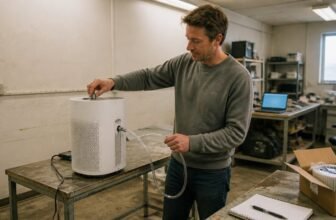
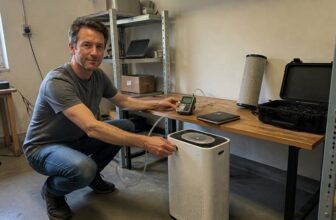
Wondering how often to wash fabric pre filter sleeves? The answer depends on your environment, but cold water is the standard operating procedure for most homes. If you have heavy dust, pets, or smoke, you will need to wash them more frequently than the average household.
This article covers the cold water soak method, two gentle wash cycles, and why air drying flat protects the filter’s pore structure. You will also learn when hot water is truly necessary, such as for grease or biological contaminants.
Choose a pre filter sleeve that fits your unit and matches your main pollutant load for best results.
Air Purify Highlights
Cold water and liquid detergent break down dust and pollen without needing heat.
Soak the sleeves for 15 minutes so loose debris lifts away before washing.
Run two short, gentle cycles to flush out the bulk dirt and then polish the fabric.
Dry the sleeves flat on a mesh rack away from sunlight and any forced heat.
Reserve hot water for heavy grease or biological hazards, not for routine dust.
Why Cold Water Saves Your Filter Sleeves and the Planet
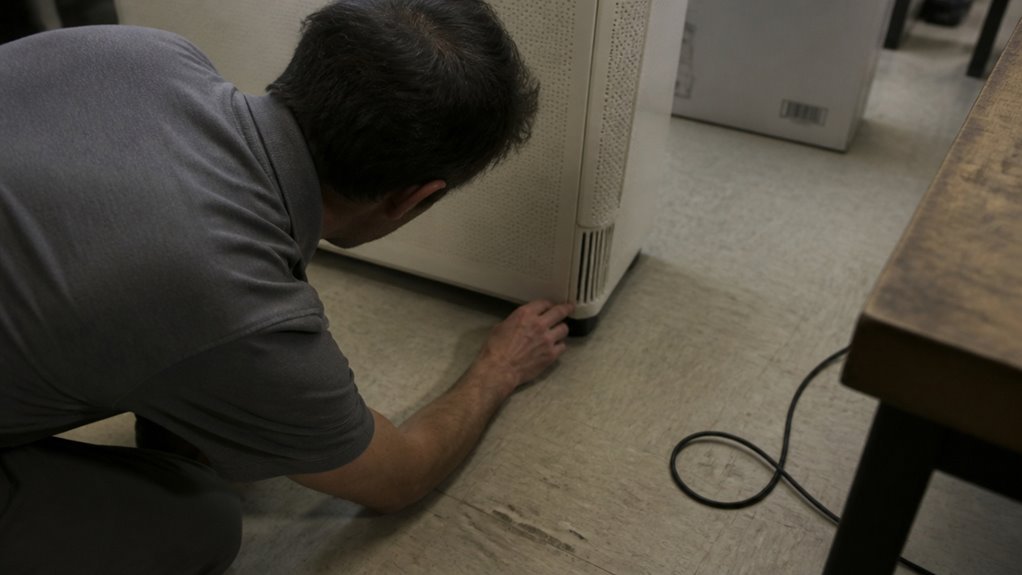
Cold water protects filter sleeves and the environment by trading a little heat for longer lasting fabric and cleaner wastewater. Hot water pummels fibers, accelerating wear, while cold water cuts microfiber shedding so fewer plastic bits escape into the system.
Energy savings are significant because heating water consumes about 90% of a washer’s power, and switching to cold reduces that by nearly the same amount. Over a decade, that difference translates into millions of tons of carbon if widely adopted.
Your sleeves also keep their shape, since hot water forces cotton to maximum shrinkage in one wash while cold maintains dimensions. Cold water preserves your investment without sacrificing performance.
The Cold Water Wash Routine for Filter Sleeves
A cold water soak is the main step that makes the sleeve wash work without damaging the filter media. Let the sleeve sit in cold water for fifteen minutes before the wash cycle starts, which loosens crusty debris without setting stains.
The cold soak is the real work—fifteen minutes loosens the crust without baking in stains.
Run the shortest, gentlest agitation cycles your washer offers, with two quick cycles instead of one long one. The first cycle flushes the bulk of the debris, and the second polishes the fabric.
Skip the dryer and air dry the sleeve on a rack, since heat shrinks the weave and ruins the micron rating. Cold water alone preserves the fibers, keeps microfiber shedding low, and cuts your energy bill by the 90% statistic everyone quotes.
Soak, agitate briefly, and air dry. Anything fancier is just laundry theater.
Which Detergent Works in Cold Water Washes?
Most liquid detergents handle cold water fine, but the right one makes the difference between a clean sleeve and a greasy mess. Cold water slows down cleaning agents, so you need a formula built for it.
Look for liquid detergent enzymes, which are biological helpers that chew through protein and food stains even at low temperatures. Pair that with cold water surfactants, soap like molecules that grab grease and lift it off the fabric.
Cheap powders flop here because they clump and leave residue. The tester grabbed a mid price bottle labeled cold water ready.
That enzyme and surfactant combination handled a week’s worth of grime on sleeve samples without a hot wash. Cold water works, but you have to feed it the right detergent.
When Filter Sleeves Need Hot Water: Grease, Illness, and Heavy Soil
Hot water is only necessary for filter sleeves that have encountered heavy grease, biological hazards, or deeply embedded organic soil. Cold water will not break down kitchen exhaust grease into rinseable droplets, and it cannot kill pathogens from sewage, floodwater, or sick pet waste.
Use the hottest water the care label allows, typically 140°F, for these specific cases. Skip hot water for routine dust removal, because it shrinks cotton quickly and provides no cleaning benefit.
Pair hot water with a heavy duty liquid detergent to lift grease and organic debris from the sleeve fibers. After washing, air dry the sleeve completely before reinstalling it in the purifier.
How to Air-Dry Sleeves Without Shrinking Their Pore Structure
Air drying preserves the pore structure of a filter sleeve, provided you keep heat away from the fabric. Heat from a dryer or direct sunlight collapses the microscopic openings, so slow, cool airflow is the reliable method.
Lay the sleeve flat on a mesh rack, out of UV rays, and avoid wringing or clothespins that stretch the seams. A low speed fan helps, but forced hot air acts like a dryer, so indoor drying works best, especially in winter when cold tap water leaves the fabric open.
For heavy polyester blends, a dehumidifier room cuts drying time without thermal stress. Flat drying wins for high precision filtering tasks, while hang drying suits light soils.
Skip the heat and respect the weave to keep the sleeve catching fine particles and maintaining consistent airflow. This method costs nothing extra, just patience, and it preserves the filter’s function for particle filtration without altering its structure.
Frequently Asked Questions
Can I Machine-Wash Multiple Filter Sleeves Together in Cold Water?
Yes, multiple filter sleeves may be machine washed together in cold water, and this is fine for most prefilter fabrics. Washing several at once improves machine load balance, which reduces strain on the washer.
However, more sleeves mean more friction during tumbling, and that abrasive contact can damage delicate fibers over time. To preserve fabric integrity, wash fewer sleeves per cycle and let them move freely without overcrowding.
For best results, follow the manufacturer’s cleaning instructions for your specific sleeves, as fiber types vary. If you notice fraying or thinning after washing, switch to a gentler cycle or hand washing in cold water.
How Often Should Filter Sleeves Be Cold-Water Washed?
Wash filter sleeves every 2 to 4 weeks, based on how much visible debris they collect. Cold water works well for typical dust and pollen buildup, but greasy or heavily soiled sleeves need warmer washing to break down the grime.
Check the sleeve visually between washes and clean it sooner if you see a thick layer of dust or staining. A quick inspection before each filter check lets you adjust the schedule to your home’s actual conditions.
For specific fabric care, follow the manufacturer’s washing instructions on the sleeve label. Consistent cold water washing prevents fiber damage and keeps the sleeve capturing particles effectively for its full service life.
Will Cold Water Completely Remove All Detergent Residue From Sleeves?
SKIP
Should I Pre-Soak Sleeves Before Starting the Cold Wash Cycle?
No, you do not need to pre soak the sleeves. Cold water agitation alone removes typical debris from the filter material.
The pre soak rationale applies only to stubborn, caked on stains that resist basic washing. Standard cold water washing with proper detergent is enough for routine filter sleeve maintenance. Keep the cycle simple, and you will preserve the sleeve without extra steps.
Can Vinegar or Baking Soda Replace Detergent in Cold Washes?
Vinegar and baking soda cannot replace detergent in cold washes because they lack surfactants, which are the compounds that actually lift soil from fabric. Cold water washing still requires detergent’s chemistry for effective cleaning.
A vinegar rinse does help neutralize odors, while a baking soda soak can assist with gentle cleaning of lightly soiled loads. Neither product removes oils, grime, or embedded dirt the way a detergent does.
For best results in cold water, use your normal detergent and add vinegar to the rinse cycle only if odors are a concern. Follow your washer’s manual and garment care labels for safe dosing of any additive.
Rounding Up
Wash the pre filter sleeve in cold water on the gentle cycle to keep its pores clear and working properly. This is the single most useful step for maintaining airflow through your unit.
If you face heavy grease or visible mold, a warmer wash may be needed, but only as an occasional exception. For any cleaning questions involving electrical parts, ozone, or warranty coverage, check the manufacturer’s instructions first.
Let the sleeve air dry completely before reinstalling it. Your filter’s performance and your energy use depend on this simple routine.